




Best Aston Martin DBS Coupe Insurance in Texas: Get Instant Quote
Published: January 28, 2026
Securing insurance for an Aston Martin DBS Coupe in Texas requires a data-driven, analytical approach. Industry statistics reveal that annual premiums for ultra-luxury grand tourers can range from $4,500 to over $12,000 in the state, a variance of over 250% driven by actuarial models, driver profiles, and precise coverage selections. With Texas having approximately 20% of drivers uninsured and leading the nation in hail and windstorm claims, the statistical risk for a vehicle with a $300,000+ MSRP and a carbon-fiber body is quantifiably high. This step-by-step action plan leverages hard data to guide you through the process. We will focus on the statistical inputs that determine your premium, the measurable differences between policy types, and the analytical method for comparing providers, moving you from raw information to a statistically sound, optimized policy in a series of deliberate, evidence-based steps.
Step 1: Quantify Your Risk Profile with Texas Data Points
Begin by collecting and analyzing the statistical data that will be input into insurance rating algorithms. First, determine your vehicle's exact statistical valuation. This is not the MSRP; it's the current market or agreed value, best established by a professional appraisal. This figure is the single largest variable in the premium calculation for physical damage coverage. Second, gather your Texas-specific geographic risk data. Use your zip code to research local claim frequencies for theft, hail, and collision through public insurance databases or agent resources. For example, zip codes in Harris County (Houston) have a collision frequency rate approximately 18% higher than the Texas average. Third, compile your personal actuarial data points: your Texas driver record (violations, claims), your credit-based insurance score (a permitted and heavily weighted factor in Texas), and your projected annual mileage. Mileage under 3,000 miles per year can reduce your base rate by 15-25% with specialty carriers. This organized data set is your foundation for accurate quoting.

Step 2: Analyze Coverage Types with a Statistical Outcome Model
With your data in hand, analyze the two primary coverage structures by their statistical financial outcomes, not just their premiums. This step involves calculating potential losses.
Model A: Actual Cash Value (ACV) Policy. Statistically, a new luxury coupe like the DBS can depreciate 20-30% in the first two years. An ACV policy would pay the market value at the time of a total loss. If your car is valued at $300,000 new and suffers a total loss in year two, an ACV settlement might be $210,000 - $240,000. The data shows a probable financial shortfall of $60,000 - $90,000 versus replacement cost.
Model B: Agreed Value Policy. This contract guarantees a pre-set payout. The statistical outcome is a known, fixed amount (e.g., $300,000). The premium for an Agreed Value policy will be higher, often 20-40% more than ACV, but the variance in potential financial loss is reduced to zero. This step requires you to model the long-term cost of risk: (Premium Difference) vs. (Potential ACV Shortfall * Probability of Total Loss). For low-probability, high-severity events, the Agreed Value model is statistically superior for asset preservation.
Step 3: Execute a Comparative Provider Analysis Using Key Metrics
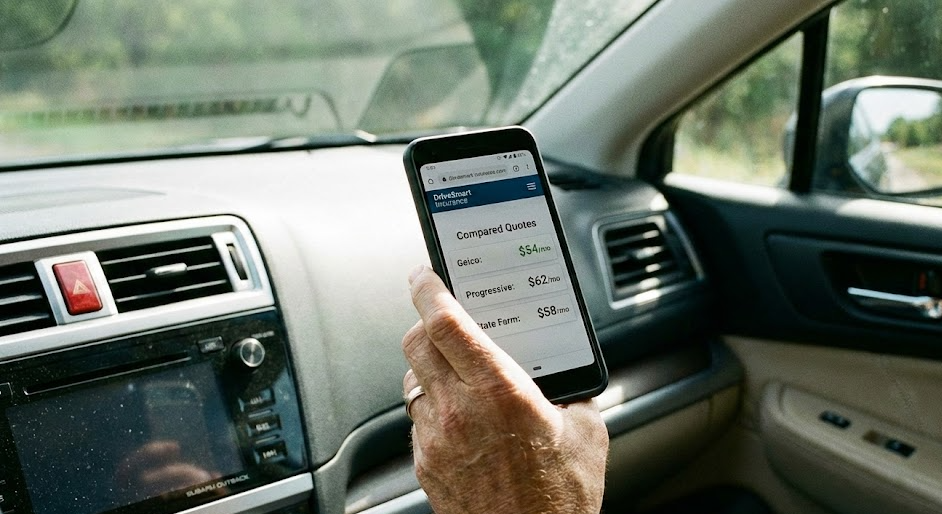
Not all insurers interpret your data the same way. You must solicit quotes from three distinct model types and compare them using a standardized set of metrics.
Provider Type 1: Major Direct Insurers
Data Metric Focus: Base premium quote for an ACV policy; complaint ratio from the Texas Department of Insurance (TDI); financial strength rating (A.M. Best). Analysis: These companies use broad actuarial tables. Their quote provides a baseline. However, their loss ratio and claims satisfaction data for exotic vehicles are often less favorable than specialty carriers. Use this as a benchmark, not a target.
Provider Type 2: Specialty High-Value Vehicle Insurers
Data Metric Focus: Premium for an Agreed Value policy; required annual mileage limit; OEM parts clause presence; insurer's experience with carbon fiber repair. Analysis: These carriers underwrite based on data pools of similar vehicles. Their premiums are higher but correlate with more comprehensive coverage and higher claims satisfaction scores for total losses. Their financial strength is critical—ensure an A.M. Best rating of A or higher.
Provider Type 3: Independent Agency with Market Access
Data Metric Focus: Number of specialty markets accessed; agency's years of experience with Aston Martin; ability to provide multiple Agreed Value quotes. Analysis: This channel doesn't generate its own data but is a conduit for it. A top-tier agency, like Fully Protected Insurance, can submit your risk profile to multiple Type 2 carriers simultaneously, providing you with comparative data from the most relevant markets. Their value is in efficient data aggregation and expert interpretation.

Step 4: Apply Statistical Benchmarks and Bind Your Policy
With your comparative quotes, apply final analytical benchmarks to make your selection. First, benchmark liability limits against Texas accident severity data. The average bodily injury liability claim in severe accidents now exceeds $100,000. Texas minimums of $30,000 per person are statistically inadequate. Your target should be limits of $250,000/$500,000 or a $500,000 single limit, supplemented by a $1 million umbrella policy. Second, analyze the comprehensive deductible against Texas hail frequency. In hail-prone areas, a $1,000 deductible may have a better long-term cost-benefit than a $2,500 deductible, despite the higher premium. Use historical hail claim data for your county to inform this. Finally, ensure the selected policy's repair network includes a Texas-based Aston Martin-certified facility—there are a limited number. Verify their certification and review their reputation. Once the analysis is complete and you've selected the policy with the optimal statistical balance of cost and coverage, submit your documentation and bind the policy. Secure written confirmation of all key terms, especially the Agreed Value amount.
Start Your Data-Driven Aston Martin DBS Coupe Insurance Quote in Texas Here
Implement Your Data-Backed Decision Today
Do not leave the protection of a six-figure asset to chance or intuition. The statistical risks are known and quantifiable. By following this analytical action plan, you transform uncertainty into a calculated strategy. Initiate the process now by gathering your data and engaging with a specialist who can facilitate a rigorous, evidence-based comparison.
Aston Martin DBS Coupe Texas Insurance FAQ
What is the average cost of Aston Martin DBS insurance in Texas?
Based on aggregated industry data, average annual premiums range from $5,500 to $11,000+. However, this average is misleading due to high variance. The final cost is a function of the driver's age (primary driver under 50), location (urban vs. rural), credit score, driving history, and critically, whether the policy is ACV or Agreed Value. Agreed Value policies will cluster at the higher end of that range.
How does the DBS's carbon fiber body affect insurance statistics?
Carbon fiber construction significantly increases the loss severity metric. Repair costs are 2-3 times higher than for aluminum or steel-bodied cars in similar accidents, and repairs require specialized facilities. This directly increases both comprehensive and collision premium components. Insurers' actuarial tables assign a higher cost factor to carbon fiber exotic vehicles.
Can my credit score really impact my DBS insurance rate in Texas?
Yes, decisively. Texas law permits the use of credit-based insurance scores. Statistical data shows a strong correlation between credit history and claim frequency. A superior credit score can place you in the most favorable rating tier, potentially reducing your base premium by 30% or more compared to an average score with the same driving record and vehicle.
Is there a statistical advantage to bundling with my homeowner's policy?
Yes, bundling typically results in a discount of 10-20% on the auto premium. This is because insurers value the additional revenue and reduced risk of customer attrition. However, ensure the bundled carrier also offers high-quality, Agreed Value coverage for the DBS. A discount on an inferior policy is not a good statistical value.