




Best Porsche Panamera GTS Sport Turismo Insurance in Texas: Get Instant Quote
Published: January 28, 2026
Let's talk numbers. Your Porsche Panamera GTS Sport Turismo is a statistical unicorn in the eyes of Texas insurance actuaries. It combines three high-cost rating factors: the performance profile of a GTS (high horsepower), the unique body style of a Sport Turismo (specialized parts), and the luxury badge of a Porsche. The base data is stark: average repair costs for Porsche vehicles are 2.5x higher than the industry average, comprehensive claim frequency in Texas is 18% above the national mean due to weather, and the state's uninsured driver rate sits at 16.8%. For your vehicle, this translates to a premium that can feel like a punitive tax. The pain point isn't just the cost; it's the feeling that you're paying a fortune for a generic product that doesn't recognize the unique value and risks of your specific $140,000 performance wagon. But here's the empowering part: by applying a data-driven lens, you can dissect your premium, identify the largest cost drivers, and make strategic choices that optimize for both protection and price. This guide moves from the aggravating statistics to clear, mathematical solutions for insuring your GTS Sport Turismo.
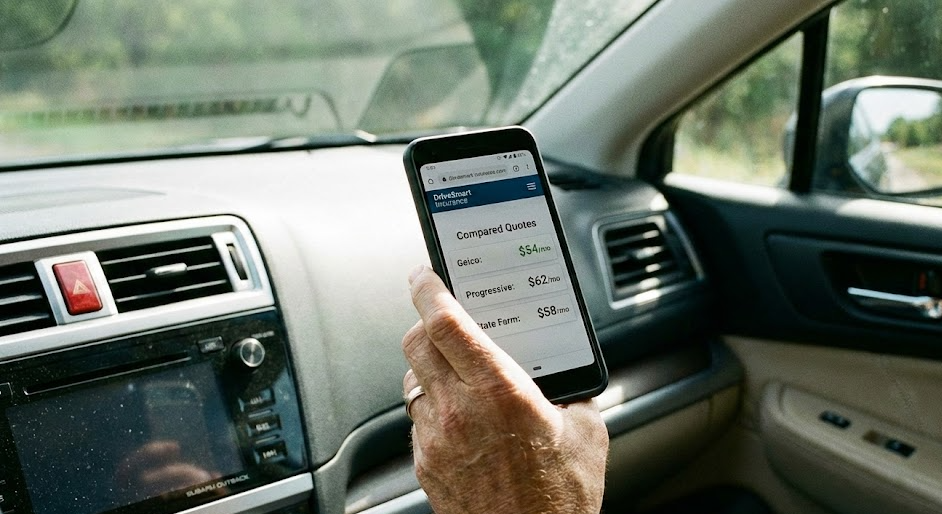
The Data Behind the Premium: Key Statistical Pain Points
Your premium isn't arbitrary; it's the sum of quantified risks. Understanding these variables is the first step to managing them.
1. Vehicle Symbol & Territory Code (The Fixed Multipliers): Your vehicle is assigned a high-risk "symbol" due to its performance and cost. This acts as a base multiplier. Your Texas zip code adds another multiplier. Urban codes (e.g., Houston 77019, Dallas 75204) can be 1.5x to 2.0x the base rate of a rural area due to higher claim frequency (theft, collisions, vandalism).
2. Expected Loss Cost & Parts Pricing (The Repair Cost Problem): The Sport Turismo's unique roof, rear hatch, and glass are low-volume, high-cost parts. Insurer data shows the average severity (cost) of a collision claim on a Porsche is over $11,000, compared to about $4,500 for the industry. This directly inflates your collision premium.
3. Comprehensive Claim Frequency (The Texas Weather Problem): Texas leads the U.S. in hail claims. The probability of a comprehensive claim in many Texas regions is over 1 in 50 per year. For a vehicle with a vast panoramic glass roof and aluminum body panels, a hailstorm can mean a total loss, making this a massive cost driver.
4. Uninsured Driver Exposure (The Liability Risk Multiplier): The 16.8% uninsured rate isn't just a statistic; it's a direct input into the pricing of Uninsured Motorist (UM) coverage and overall liability rates. It increases the expected payout cost for insurers, which is passed on.

The Solution: A Mathematical Framework for Optimal Coverage
For each data point, there is a corresponding strategic action to mitigate cost or maximize value.
Solution to High Base Rate: Access the Correct Risk Pool
Action: Use an independent agent to access specialty auto insurers (e.g., Chubb, AIG Private Client, Travelers Premier). These carriers use different rating models for low-production, high-value vehicles. Data shows premiums in these pools can be 15-30% lower for qualified drivers than in the standard market, which often over-penalizes performance vehicles.
Solution to Exorbitant Repair Costs: The OEM Parts Endorsement ROI
Action: Insist on the OEM (Original Equipment Manufacturer) Parts Endorsement. While this may add 5-10% to your physical damage premium, it provides a massive return on investment at claim time. The use of aftermarket parts on a Porsche can decrease resale value by 10-20% ($14,000-$28,000 on your vehicle) and increase the likelihood of improper repairs leading to subsequent claims. The endorsement protects your asset's value.
Solution to Texas Weather Risk: Strategic Deductible Math
Action: Perform a break-even analysis on your comprehensive deductible. If increasing your deductible from $500 to $1,000 saves $300 annually, you break even in 1.67 years (1000-500 / 300 = 1.67). If you can afford the $1,000 out-of-pocket and go more than 1.67 years without a claim, you save money. For low-mileage, garaged vehicles, this is often a sound financial choice.
Solution to Uninsured Driver Exposure: Optimize UM/UIM Limits
Action: Match your Uninsured/Underinsured Motorist (UM/UIM) limits to your high liability limits (e.g., 250/500/100). The marginal cost to increase these limits is small, but the protection is enormous. The data is clear: in a not-at-fault accident with an uninsured driver, the average property damage exceeds $20,000. Carrying state-minimum UM/UIM limits would leave you with a massive shortfall.

Building the Data-Optimized Policy
Integrate these solutions into a single policy structure.
Liability/UM/UIM Stack: 250/500/100 across all three. This is the most cost-effective structure for high-asset protection.
Physical Damage with Calculated Deductibles: Comprehensive & Collision with $1,000 deductibles (post break-even analysis). Mandatory Add-ons: OEM Parts Endorsement, Zero-Deductible Glass Coverage (high ROI given panoramic roof cost).
Financial Safeguards: Gap Insurance (if loan-to-value ratio > 80%), Rental Reimbursement at $75/day.
The Quantitative Advantage of a Local Texas Agent
The final variable in your equation is distribution. A local independent agent provides measurable value: they have access to N (more) insurance carriers than you can access individually, increasing the probability of finding the most favorable rating model for your unique vehicle. They also reduce your time cost (T) in shopping and managing the policy. For a complex asset, the agent's commission is often offset by the premium savings and correct coverage they secure, resulting in a net positive financial outcome.
Get Your Data-Optimized Porsche Panamera GTS Sport Turismo Quote
Execute Your Data-Driven Insurance Strategy
Stop viewing your insurance premium as a flat fee. See it as a malleable equation based on vehicle data, location statistics, and your choices. By applying this analytical approach, you can transform your policy from a generic cost into a tailored, value-optimized financial product. Use the math to your advantage and secure intelligent coverage for your exceptional vehicle.
FAQ: Porsche Panamera GTS Sport Turismo Insurance in Texas
Does the Sport Turismo wagon body style cost more to insure than the sedan?
Data suggests a slight increase, typically 3-8%. The unique rear hatch, glass, and parts availability for the Sport Turismo can lead to marginally higher repair cost estimates, which are factored into the premium.
How is the panoramic roof factored into the premium?
It significantly increases the comprehensive premium due to the high replacement cost (often $5,000+) and susceptibility to hail/rock damage. This is why zero-deductible glass coverage is a high-value add-on.
What is the most impactful discount I can leverage?
Statistically, low annual mileage has the highest direct impact on premium, as it reduces exposure time. A mileage under 7,500 miles per year can trigger discounts of 15% or more. Bundling with a homeowner's policy is the second most impactful.
How often should I re-shop my policy based on data?
Conduct a full market review every 24 months. Your vehicle's depreciation curve is steepest in years 1-3, which changes the collision/comprehensive calculus. Market competition also shifts. An annual review with your agent is optimal to capture new discounts or better risk pools.