



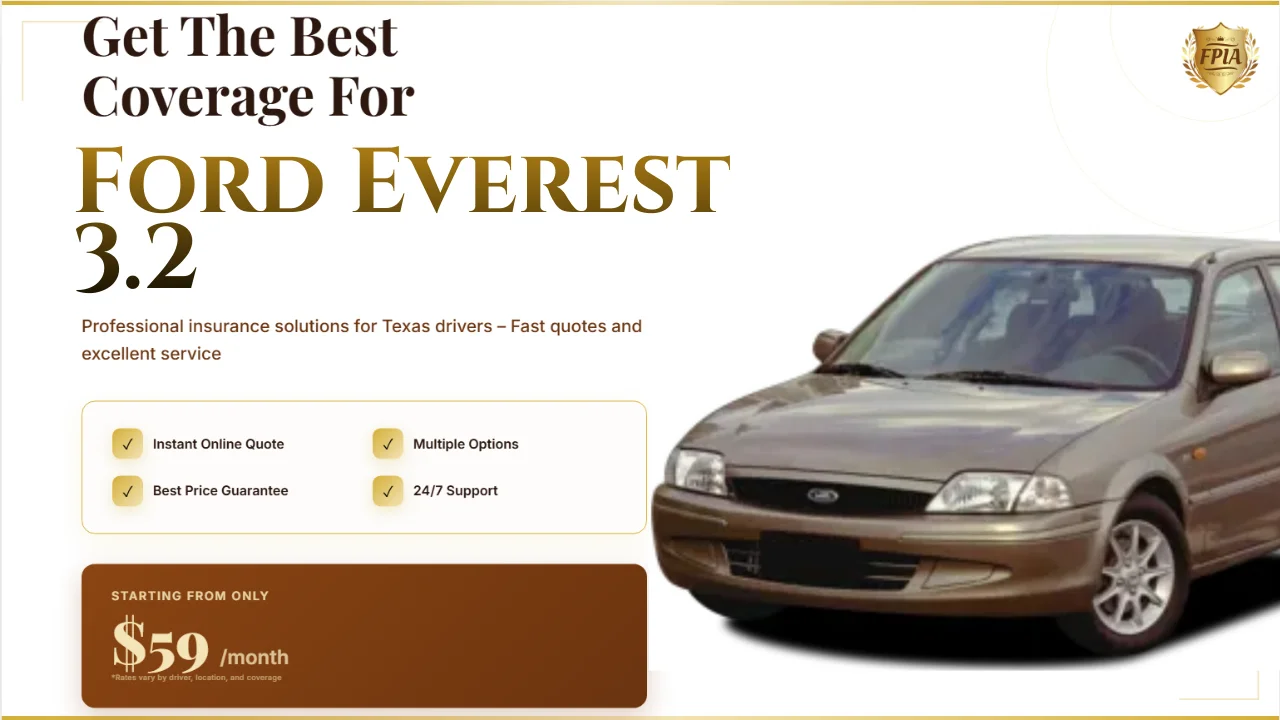
Ford Everest 3.2 Insurance Cost in Texas: Compare Rates & Save
Published: January 28, 2026
I helped a Texas driver who upgraded from a midsize SUV to a Ford Everest 3.2, assuming the insurance difference would be minimal. That assumption turned into a costly mistake. The Ford Everest 3.2 insurance cost in Texas follows a very specific risk model tied to engine size, vehicle weight, and Texas driving realities. This mistake-focused guide breaks down what to avoid and how to protect your budget while staying properly insured.
Mistake #1: Assuming the Ford Everest 3.2 Is Priced Like a Standard SUV
The Ford Everest 3.2 is not rated like a typical midsize SUV.
The larger diesel engine changes risk calculations.
Higher torque increases claim severity modeling.
Texas insurers treat it closer to a heavy-duty vehicle.
- Engine displacement influences loss projections
- Heavier curb weight raises repair payouts
- Limited claim history increases insurer caution
Mistake #2: Choosing Minimum Liability Coverage in Texas
Texas minimum liability limits look affordable upfront.
They rarely cover real accident costs.
The Everest’s size increases third-party damage risk.
This mistake exposes personal assets.
- Multi-vehicle accidents exceed minimum limits
- Medical expenses escalate quickly
- Larger SUVs increase injury severity
Mistake #3: Ignoring Texas-Specific Driving Conditions
Texas driving conditions heavily influence premiums.
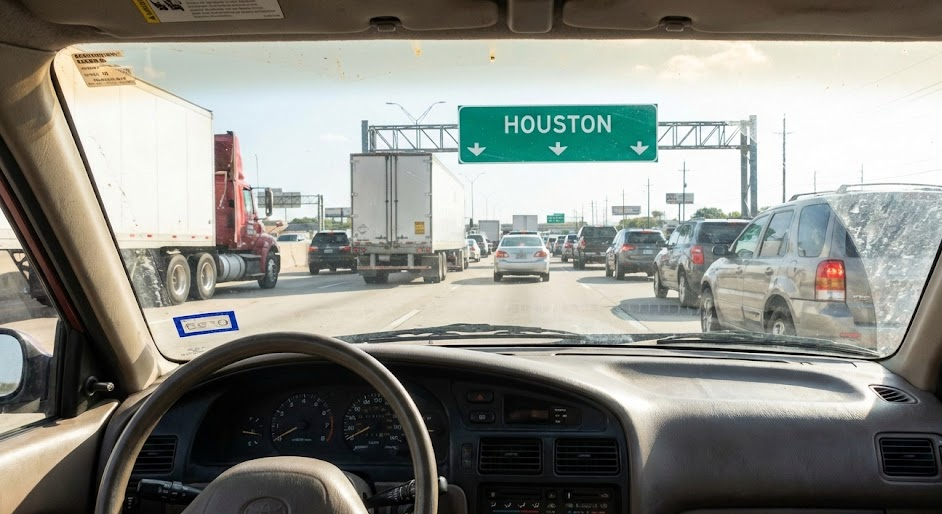
Long-distance commuting increases mileage exposure.
Urban congestion raises collision frequency.
Weather adds comprehensive risk.
- Dallas and Houston have high claim density
- Hailstorms increase comprehensive losses
- Flooding damages engines and electronics
Mistake #4: Misunderstanding Collision and Comprehensive Coverage
Many drivers undervalue full coverage.
Collision repairs on the Everest 3.2 are costly.
Parts availability varies across Texas.
Comprehensive coverage is essential in storm-prone areas.
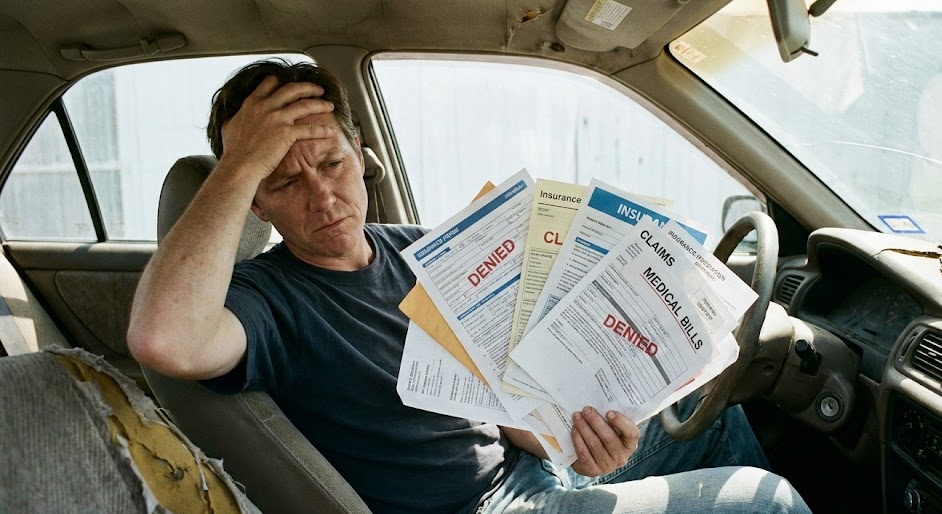
Collision Coverage Errors
High deductibles without savings create risk.
Low deductibles increase monthly cost.
The wrong balance raises long-term expense.
Comprehensive Coverage Oversights
Texas hail claims are common.
Theft rates vary by ZIP code.
Skipping coverage increases financial exposure.
Mistake #5: Not Comparing the Ford Everest 3.2 Against Similar Vehicles
Insurance pricing is relative.
Compared to compact SUVs, costs are higher.
Compared to full-size SUVs, rates can be reasonable.
Context helps avoid overpaying.
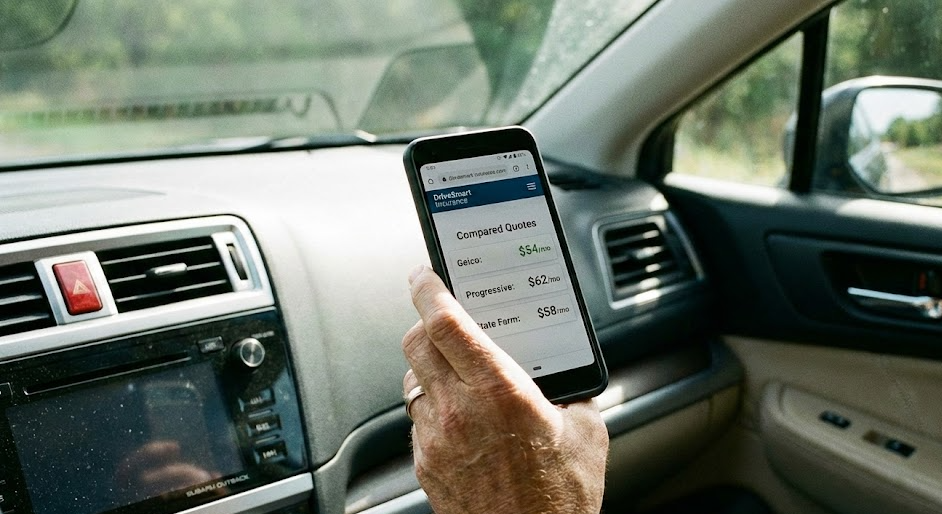
Repair Costs and Why They Matter for Ford Everest 3.2 Insurance
Repair complexity directly impacts premiums.
Advanced drivetrains increase labor time.
Specialized parts raise claim severity.
Insurers price this risk in advance.
Why Your Texas ZIP Code Changes Everything
Location-based rating is significant in Texas.
Theft frequency differs by neighborhood.
Street parking increases exposure.
Rates can vary dramatically within the same city.
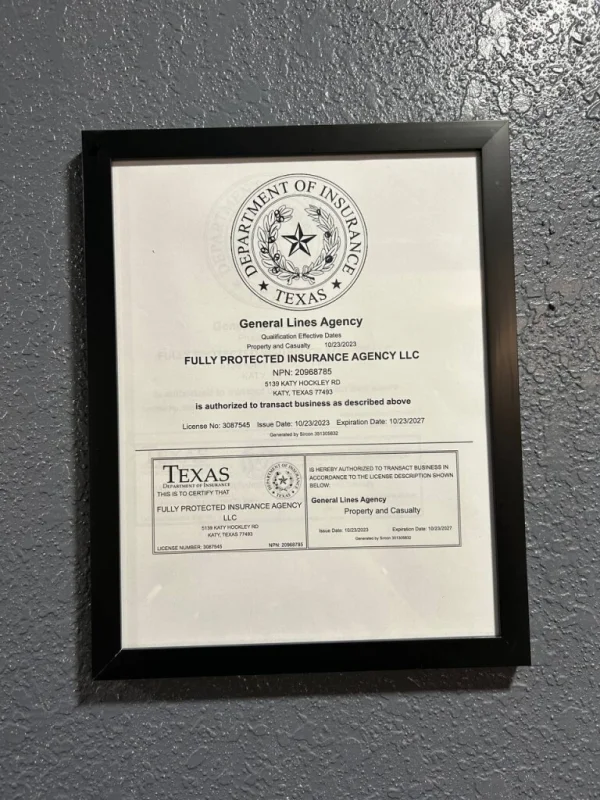
Why Licensed Texas Insurance Providers Matter
Licensed agencies follow Texas regulations.
They understand local underwriting trends.
Claims handling quality varies by carrier.
Proper setup prevents future disputes.
Where to Get a Reliable Ford Everest 3.2 Insurance Quote
Online comparisons reveal price gaps.
Local agents explain coverage differences.
The combination delivers better value.
Compare Ford Everest 3.2 insurance rates in Texas now
CTA: Avoid These Mistakes and Lower Your Insurance Cost
Smart planning helps you protect your Ford Everest 3.2 without overspending on Texas insurance.
FAQ: Ford Everest 3.2 Insurance Cost in Texas
Is Ford Everest 3.2 insurance expensive in Texas?
It is higher than midsize SUVs but competitive compared to full-size SUVs.
Does the 3.2 engine affect insurance rates?
Yes, engine size and torque influence risk modeling.
Is comprehensive coverage necessary in Texas?
Yes, hail, theft, and flooding risks make it important.
How often should I review my Ford Everest 3.2 insurance?
At least once a year or after major driving changes.