



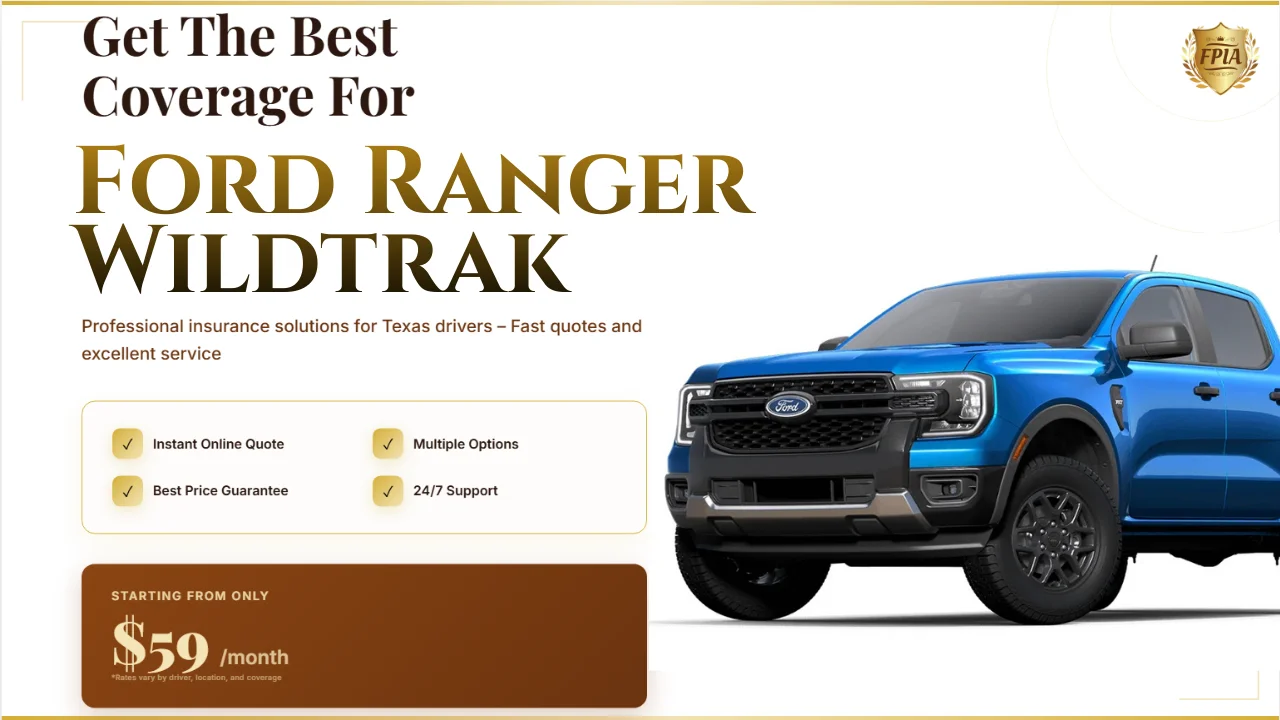
Ford Ranger Wildtrak Insurance Cost in Texas: Compare Rates & Save
Published: January 28, 2026
Many Texas drivers are drawn to the Ford Ranger Wildtrak for its aggressive styling and premium features, yet they are often surprised when the first insurance quote arrives. The Ford Ranger Wildtrak insurance cost in Texas can feel confusing because it sits at the intersection of performance, technology, and regional risk. This comparative review breaks down how Wildtrak insurance stacks up against other trims, why Texas conditions matter so much, and what practical steps actually help reduce premiums.
How the Ford Ranger Wildtrak Compares to Other Ranger Trims
The Wildtrak is positioned as a premium off-road-oriented trim. It includes advanced driver-assist systems, unique exterior elements, and higher replacement value. Compared to base Ranger trims, insurers view the Wildtrak as more expensive to repair and replace. This generally places its insurance cost above XL and XLS trims, but still below many full-size trucks in Texas.
From a comparative standpoint, Wildtrak owners pay more for coverage than entry-level Ranger drivers. However, the gap is often smaller than expected because safety technology can offset some risk. This balance is why Wildtrak insurance is not always dramatically higher.
Ford Ranger Wildtrak vs Mid-Trim Pickups in Texas
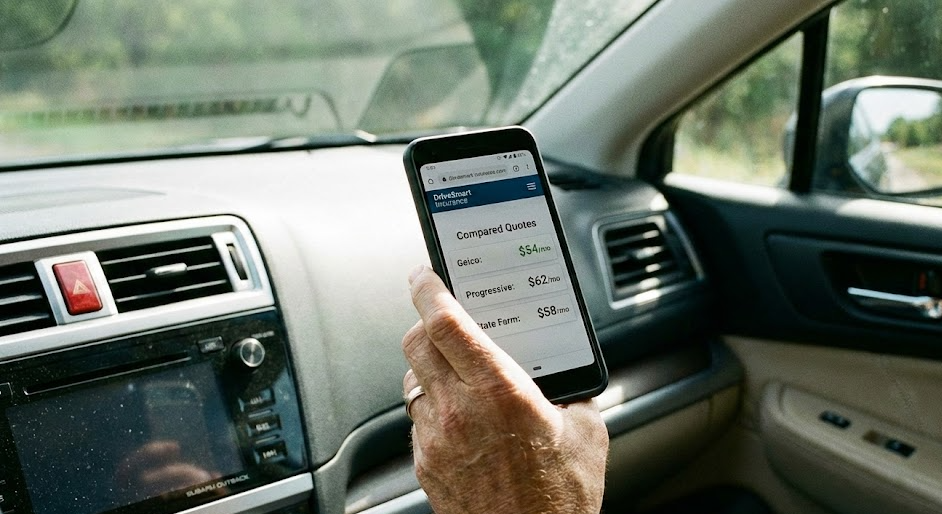
When compared to midsize competitors like the Toyota Tacoma TRD or Chevrolet Colorado Z71, the Wildtrak usually lands in a similar insurance range. Texas insurers focus heavily on claim frequency and repair costs rather than brand loyalty. The Wildtrak’s advanced features can raise repair bills, but strong safety ratings help stabilize premiums.
This comparison shows that Wildtrak insurance is competitive within its class. It is rarely the cheapest option, but it is also not the most expensive among midsize pickups driven in Texas.
Texas-Specific Factors That Push Wildtrak Insurance Higher
Texas driving conditions play a major role in shaping insurance costs. Urban congestion in cities like Houston and Dallas increases accident frequency. Rural highways contribute to higher-speed collisions, which raise claim severity. Weather events such as hailstorms and flash flooding further increase comprehensive claims.
For the Ford Ranger Wildtrak, these factors combine with higher vehicle value to push premiums upward. Insurers price these risks into every policy, regardless of driving experience.
Repair Costs and Technology: Pros and Cons
The Wildtrak includes modern safety systems, sensors, and premium materials. These features improve driver protection but also increase repair complexity. A minor collision may involve recalibrating cameras or replacing specialized parts.
From an insurance perspective, this raises collision and comprehensive costs. The upside is that these same systems can reduce accident frequency, which helps control long-term premiums for safe drivers.
Coverage Options: What Wildtrak Owners Usually Choose
Most Ford Ranger Wildtrak owners in Texas opt for full coverage rather than liability-only policies. Liability-only coverage lowers monthly premiums but exposes drivers to higher financial risk if the truck is damaged or totaled.
Full coverage protects the Wildtrak’s higher value and is often required by lenders. This choice increases upfront cost but reduces long-term financial exposure.

Deductible Choices and Their Real Impact on Premiums
Choosing a higher deductible is one of the most effective ways to lower Wildtrak insurance premiums in Texas. A higher deductible shifts more risk to the driver but significantly reduces monthly costs.
This strategy works best for drivers with emergency savings who can comfortably cover out-of-pocket expenses after a claim. It is a common approach among experienced Texas drivers.
Wildtrak Insurance Costs Across Texas Regions
Location matters as much as trim level. Urban ZIP codes with high traffic density show higher premiums. Areas with higher theft rates also increase comprehensive coverage costs.
In contrast, smaller towns and rural areas often enjoy lower premiums, although long-distance commuting can offset some of those savings. The Ford Ranger Wildtrak insurance cost in Texas can vary dramatically by ZIP code.

Online Quotes vs Local Texas Insurance Agents
Online comparison tools provide fast insights into pricing differences. They are useful for identifying baseline rates and spotting outliers.
Local Texas agents add value by explaining coverage gaps, discounts, and policy details. Combining online quotes with local expertise often produces the best outcome for Wildtrak owners.
Why “Cheap” Insurance Is Not Always the Best Choice
Many drivers focus solely on finding the lowest price. This approach can backfire if coverage limits are too low or exclusions are overlooked.
For a premium trim like the Wildtrak, insufficient coverage can result in significant out-of-pocket losses. A balanced policy usually delivers better long-term value.
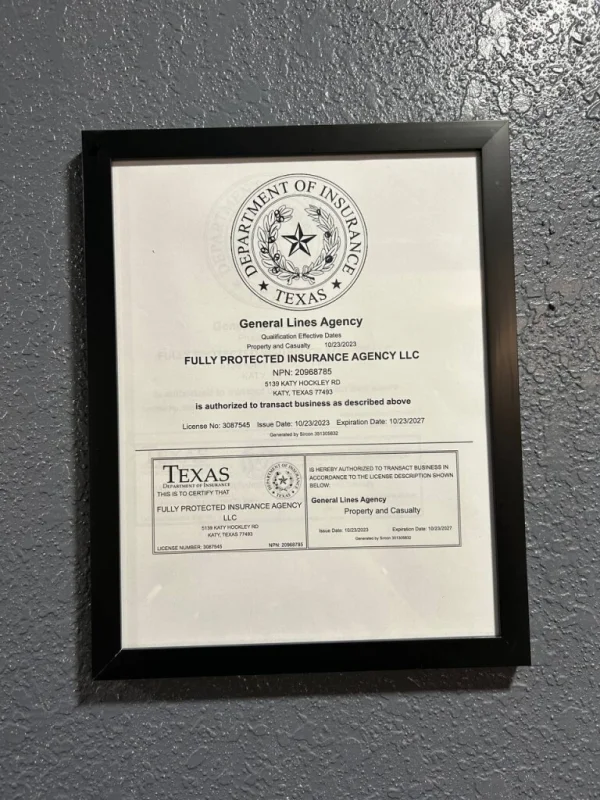
Trusted Coverage Options for Ford Ranger Wildtrak Owners
Working with licensed Texas insurance agencies helps ensure compliance and adequate protection. These agencies understand local risk patterns and can tailor coverage to Wildtrak drivers.
Ongoing policy reviews are also important as driving habits, mileage, and vehicle value change over time.
Compare Ford Ranger Wildtrak insurance rates in Texas now
CTA: Compare, Adjust, and Save
Insurance rates change constantly in Texas. Comparing policies regularly helps Wildtrak owners avoid overpaying and maintain proper protection.
FAQ: Ford Ranger Wildtrak Insurance Cost in Texas
Is Ford Ranger Wildtrak insurance more expensive than other Ranger trims?
Yes, it is usually higher due to increased vehicle value and repair costs.
Does Texas weather significantly affect Wildtrak insurance rates?
Yes, hail and flooding risks raise comprehensive premiums statewide.
Can safe driving discounts reduce Wildtrak insurance costs?
Yes, clean driving records and low mileage often lead to meaningful savings.
How often should I review my Ford Ranger Wildtrak insurance policy?
At least once per year or after major life or driving changes.